Table of Contents
Expanding Architectural Horizons
Clients no longer ask for walls and roofs. They demand spaces that breathe with them. The global push toward wellness, adaptability, and biophilic design has made static buildings feel antiquated. Flexible layouts, natural materials, and daylight-rich interiors are not luxuries; they are the baseline. Firms that ignore these broad shifts risk irrelevance—not just in dense urban centers. The ripple is everywhere.
Staying ahead of these movements is less about chasing trends and more about survival. From overseas mega-projects to small-town rethinks, evolving demands filter down in unexpected ways. They press local designers to rethink their practice, infusing fresh principles into projects once built solely for utility.
Innovation Drivers in St. George Architecture
The strongest creative sparks come from three mindsets: collaboration, experimentation, and relentless client focus. When engineers, landscape designers, and interior specialists sit at the same table early on, boundaries dissolve.
For example, a modest civic building became a landmark after the design team tested materials together in a live environment, discovering a texture that improved acoustics and reduced costs. Such synergy is no accident; it is cultivated.
Experimentation brings dead ends—but also unexpected breakthroughs. And when clients feel heard, even wild concepts gain traction. This triangle of forces shapes projects that feel both surprising and inevitable.
Sustainable Visions in St. George’s Building Projects
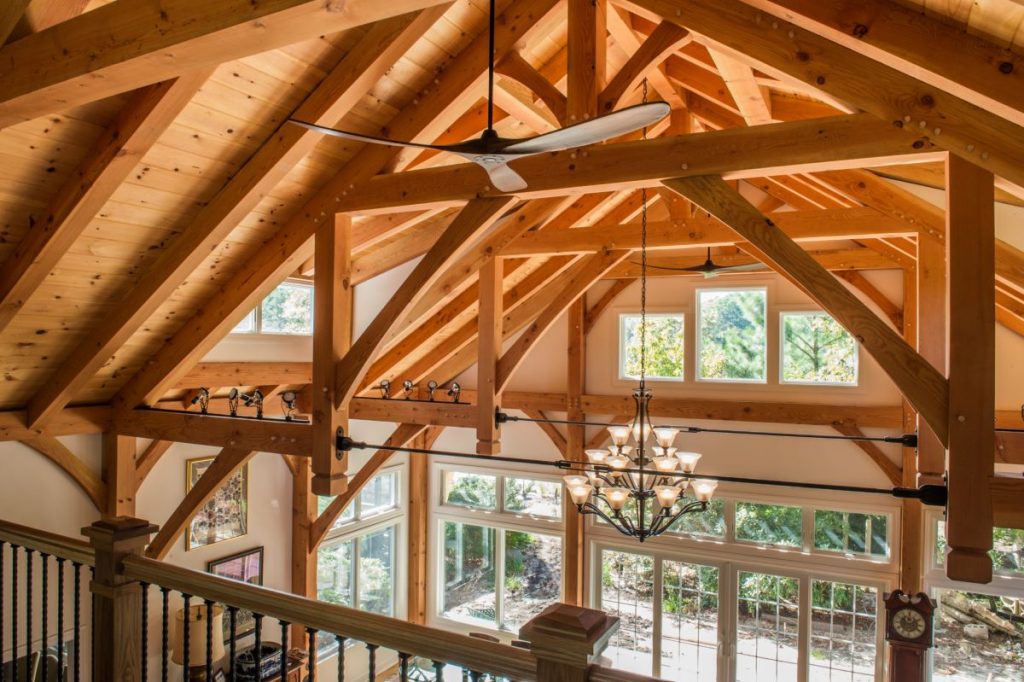
Mass timber replaces steel in structures that need warmth and strength. Recycled composites transform waste into form. Passive design strategies—like ventilation corridors and precise window placement—slash energy use before a single solar panel is installed.
Lifecycle thinking is the quiet hero here. Choosing façade materials that resist weather or orienting a building to use the sun intelligently pays dividends decades later. Every decision made in planning outlives its creators. Sustainability should feel less like an add-on and more like a steadfast insistence that future occupants deserve better by default.
Digital Transformation in St. George’s Design Practices
Three tools are reshaping the workflow.
Building Information Modeling (BIM) creates living digital replicas so every structural detail can be tested before breaking ground. Parametric modeling allows designers to feed variables—like climate data or cost limits—into software that generates smarter forms. Virtual reality walkthroughs immerse clients in the unbuilt environment, aligning visions before errors multiply.
Together, these tools reduce mistakes, speed approvals, and make collaboration less chaotic. In plain terms: they save time, money, and stress.
Community-Centered Concepts by Local Architects
Neighborhood voices matter more when the process invites them inside. Pop-up pavilions in parks, design charrettes in libraries, and school workshops that make children co-creators—these moments build trust and attachment.
In leading community initiatives, architects St George bring local voices into every blueprint. The payoff is tangible. Projects begin to reflect both the texture and temperament of their surroundings. Social cohesion stops being an abstract ideal and becomes a visible, lived reality.
Heritage Meets Modernity in St George Architecture
History is a stubborn partner in new construction. Preserving a façade or reusing traditional materials takes patience. The wisest approach starts with careful documentation of what exists—capturing proportions, surface wear, and original joinery.
Then modern requirements are layered in: accessibility ramps that respect symmetry and concealed wiring that leaves heritage plaster untouched. The dance between old and new is not about mimicry. It is about creating a dialogue that feels honest and functional—nodding to the past while meeting the pace of the present.
Emerging Frontiers for the St George Architectural Scene
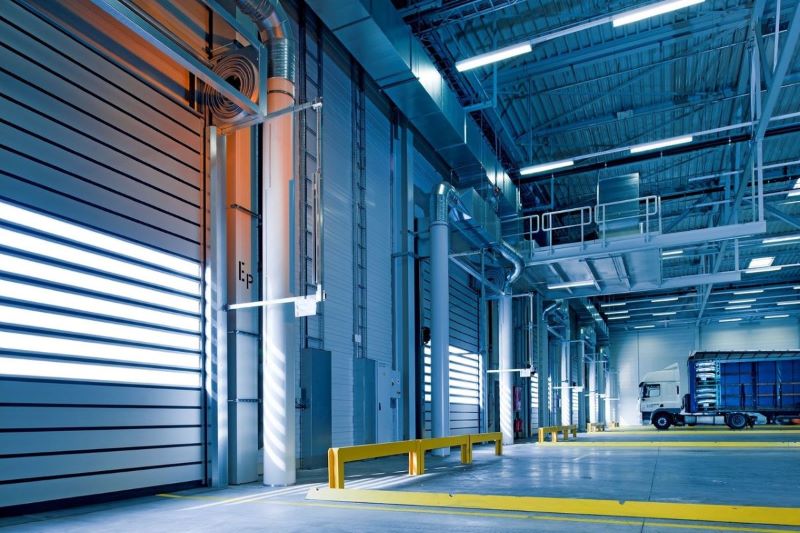
Adaptive reuse is accelerating as developers turn disused spaces into energetic hubs. Imagine a warehouse reborn as a mixed-use venue without whitewashing its grit.
Modular construction now delivers mid-size community centers in months rather than years, bypassing weather delays. Wellness-focused amenities—like oxygen-rich indoor plants or ergonomic communal seating—are seeping into schools and municipal offices, reshaping daily experiences.
These are not fringe experiments. They are the next blueprint for everything from civic halls to housing complexes.
Laying the Foundations of Future Skylines
The threads of innovation, sustainability, heritage, and digital precision weave a new urban fabric. Thoughtful design changes more than skylines; it changes how people move, gather, and feel.
Each choice carved into a building’s DNA signals future intent. Picture a horizon where every structure speaks to its context and purpose. That vision belongs to those bold enough to move past imitation and into creation.